405-930-7067
EDUCATIONAL GUIDE
Pest Library
Learn about common pests in Oklahoma and when it’s time to call a professional.
Use this guide to understand what you’re seeing on your property and what level of response makes sense.

Common Pests We See in Oklahoma
General Invaders
Spiders, ants, earwigs, scorpions, silverfish, pantry pests, crickets, centipedes, millipedes, and similar invading household pests.


Spiders
Ants
Earwigs
Scorpions
Frequent indoor and outdoor pests in Oklahoma that create webs and hide in corners.
Common household invaders that spread through kitchens and exterior entry points.
Moisture-loving pests commonly found around mulch, patios, and damp shaded areas.
Nocturnal pests in Oklahoma that hide in cracks, wood piles, and sheltered spaces.


Silverfish
Pantry Pests
Crickets
Centipedes
Fast-moving pests thrive in humid areas and can damage paper goods, fabrics, and pantry items.
Infest dry food items like flour, rice, and pet food, spreading quietly through kitchens.
Noisy indoor invaders that can damage paper goods and fabrics when left untreated.
Fast-moving predatory pests typically found in damp basement corners and crawl spaces.
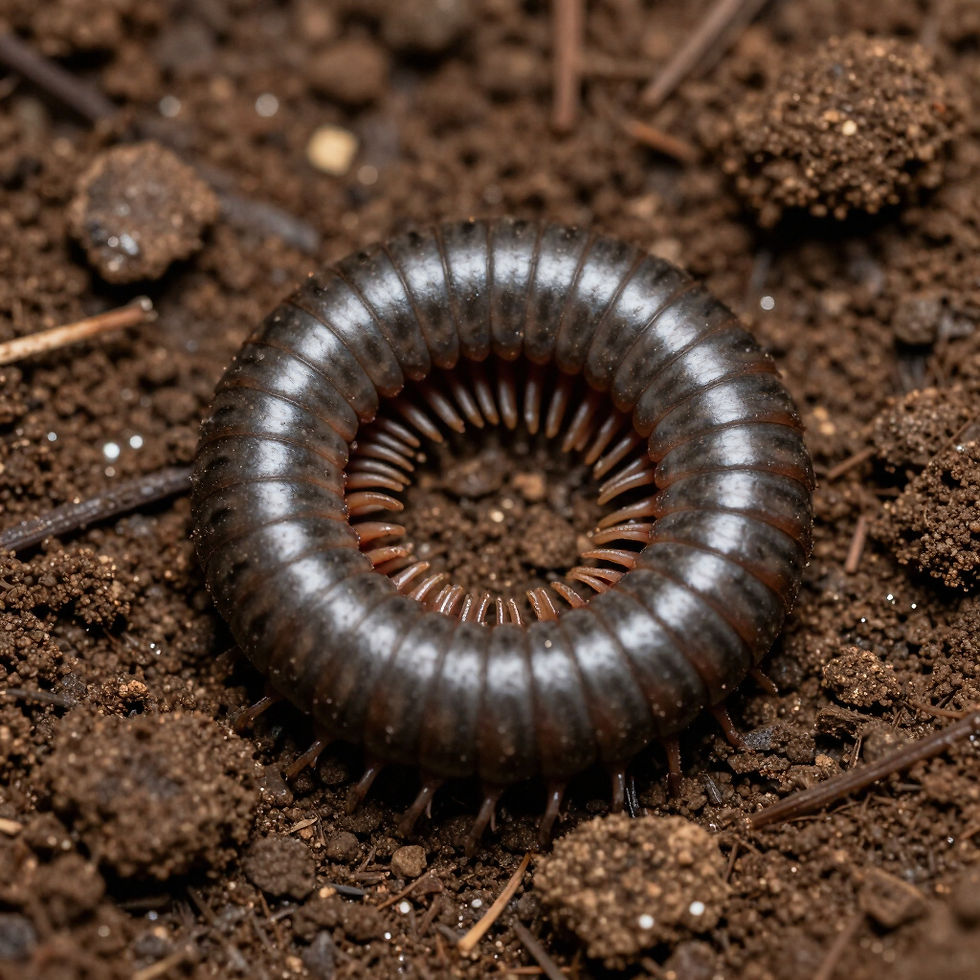
Millipedes
Moisture-seeking pests that often hibernate or migrate indoors during extreme humidity or rains.
Specialty Pests
Bed bugs, roaches, rodents, fleas, and other pests that often require more targeted treatment and follow-up service.



Bed Bugs
Roaches
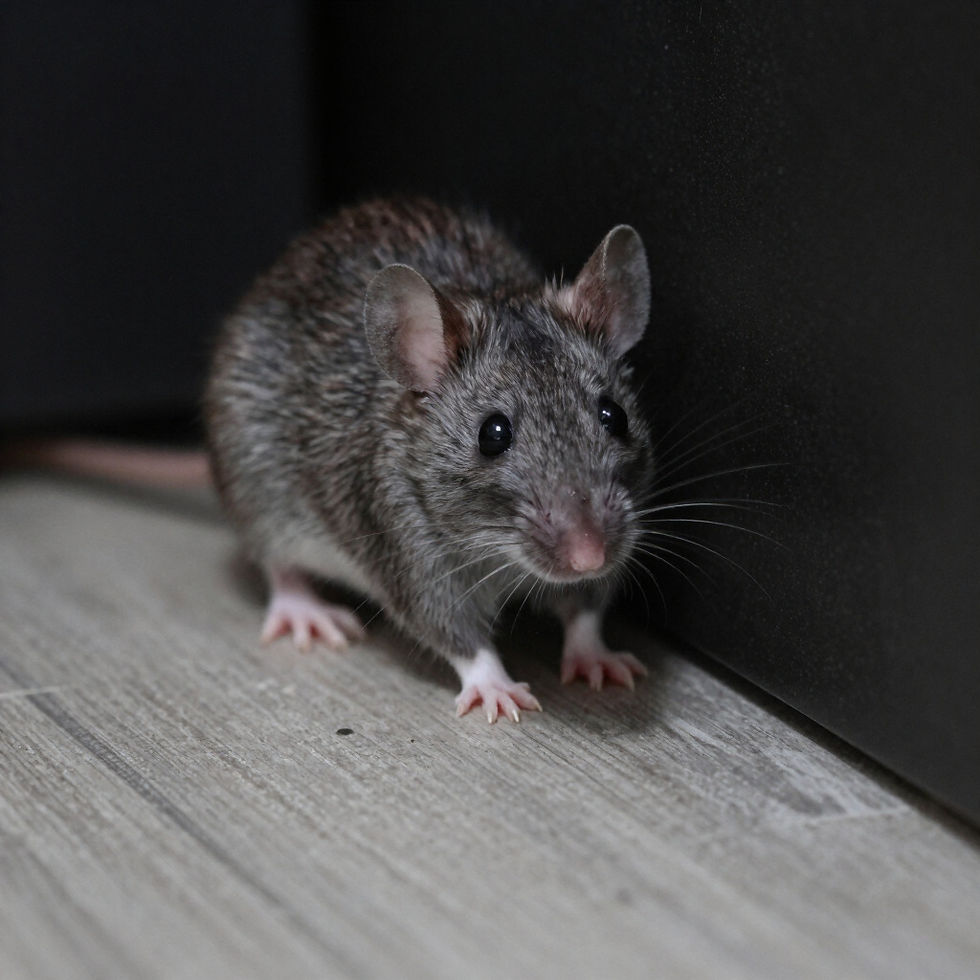
Rodents
Fleas
Notorious hitchhikers that require targeted professional heat or chemical treatments to eliminate.
Contaminate foods and spread bacteria, demanding a consistent baiting and sanitation strategy.
Gnawers that damage wiring and carry pathogens, requiring exclusion and active management.
Blood-feeding biters often brought in by pets, requiring whole-home treatment for total control.
Biting & Stinging
Mosquitoes, ticks, wasps, and other pests that bite, sting, or feed on people or pets.


Mosquitoes
Ticks
Wasps
Outdoor pests that develop in standing water, making outdoor social activities difficult.
Parasites that can carry disease risks for both families and their pets in wooded areas.
Aggressive flyers building nests near high-traffic exterior home points like porches and eaves.
Wood & Structural
Termites, carpenter ants, carpenter bees, wood-boring beetles, powderpost beetles, and other pests that can damage wood or structural elements over time.


Termites
Carpenter Ants
Carpenter Bees
Wood-Boring Beetles
Quietly destroyers that can cause thousands in hidden damage to a property's framing.
Large ants that excavate interior wood to build nesting sites, weakening structural components.
Bore perfectly round holes into outdoor wooden structures, potentially compromising material strength.
Beetles whose larvae live within wood, feeding and creating exit holes that signal infestation.

Powderpost Beetles
Reduce wood to fine dust through years of hidden activity, often attacking older wooden framing.
Pest Identification & Risk Overview

Termites
Termites are often called 'silent destroyers' because they can cause significant structural damage long before you ever see a single bug. Regular professional inspections are critical in Oklahoma to detect hidden colonies and protect your property's value from costly wood-destroying organisms.
Bed Bugs
Bed bugs are small, flat, reddish-brown insects that hide in mattresses, furniture, and cracks near where people sleep. Their bites can cause itchy welts and anxiety, and they spread quickly by hitchhiking on luggage, clothing, and used furniture. Because they’re resistant to many store-bought products and can hide in tiny spaces, professional, targeted treatments are usually needed to fully eliminate an infestation.
Roaches
Roaches thrive on moisture and poor sanitation, but even the cleanest homes can face an invasion. Beyond the nuisance, they carry dangerous pathogens and contribute to respiratory health concerns, requiring a structured baiting and sanitation strategy to achieve complete control.
Rodents
Mice and rats can enter through gaps as small as a dime, following moisture and food scents into your home. Their constant gnawing on wires and contamination of surfaces present both fire hazards and health risks, necessitating a combination of entry-point exclusion and population management.
When It’s Time to Call a Professional
While some minor issues can be managed with prevention, certain signs indicate a professional response is required to protect your home and health.
✔
You’re seeing pests regularly, not just once in a while
✔
Bites, droppings, or damage are showing up more often
✔
DIY products are not making a noticeable difference
✔
You manage a rental, commercial, or multi-unit property and need dependable control
Simple Prevention Tips
Seal Entry Points
Check for cracks around your foundation and seal gaps near doors and windows to keep pests out.
Reduce Clutter
Removing unnecessary piles of paper, boxes, and debris reduces hiding spots for spiders and rodents.
Trim Vegetation
Keep bushes and tree branches trimmed back from your home's exterior to prevent pest bridges.
Manage Moisture
Fix leaking pipes and ensure proper drainage to eliminate the water sources that attract many common pests.
Store Food Properly
Use airtight containers for pantry items and avoid leaving pet food out overnight to deter ants and roaches.
Dispose of Waste
Regularly empty indoor trash bins and keep outdoor dumpsters sealed and away from your home's entryways.
Need Help With a Pest You’re Seeing?
Share what you’re seeing on your property and we’ll help you decide the right next step, from inspection to treatment options.