Modern Termite Control Techniques for Your Home

Termites are often referred to as "silent destroyers" because they can chew through wood, flooring, and even wallpaper undetected. In the United States alone, termites cause an estimated $5 billion in property damage each year. This staggering figure highlights the importance of effective termite control techniques. In this blog post, we will explore modern methods for termite control that can help protect your home from these destructive pests.
Understanding Termite Behavior
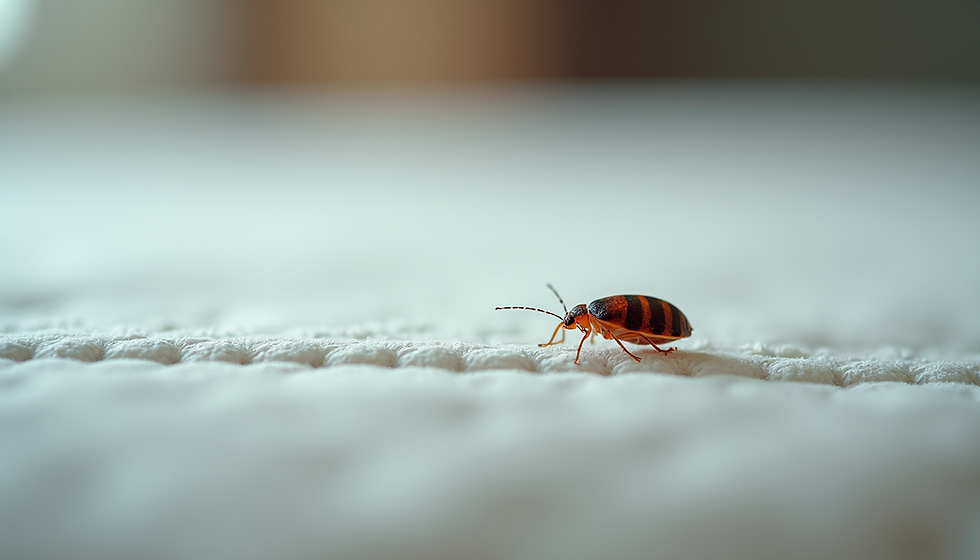
Before diving into control techniques, it's essential to understand termite behavior. Termites thrive in warm, humid environments and are attracted to wood and cellulose materials. They live in colonies, which can range from a few thousand to millions of individuals. The most common types of termites that invade homes are:
Subterranean Termites: These termites live underground and are the most destructive. They build mud tubes to travel between their colony and food sources.
Drywood Termites: Unlike subterranean termites, drywood termites do not require contact with the soil. They infest dry wood and can cause significant damage to furniture and structural wood.
Dampwood Termites: These termites prefer decaying wood with high moisture content. They are less common but can still pose a threat to homes with water damage.
Understanding these behaviors can help homeowners choose the most effective control methods.
Prevention: The First Line of Defense
Preventing a termite infestation is always better than dealing with one. Here are some effective prevention strategies:
1. Eliminate Moisture Sources
Termites are attracted to moisture. Fixing leaks, ensuring proper drainage, and using dehumidifiers in damp areas can significantly reduce the risk of infestation.
2. Seal Entry Points
Inspect your home for cracks and crevices in the foundation, walls, and around windows and doors. Sealing these entry points can help keep termites out.
3. Store Firewood Properly
If you use firewood, store it at least 20 feet away from your home and elevate it off the ground. This reduces the chances of termites migrating from the wood to your home.
4. Regular Inspections
Conduct regular inspections of your home, especially in areas prone to moisture. Look for signs of termite activity, such as mud tubes, discarded wings, or hollow-sounding wood.
Modern Termite Control Techniques
If you suspect a termite infestation, several modern control techniques can effectively eliminate these pests.
1. Baiting Systems
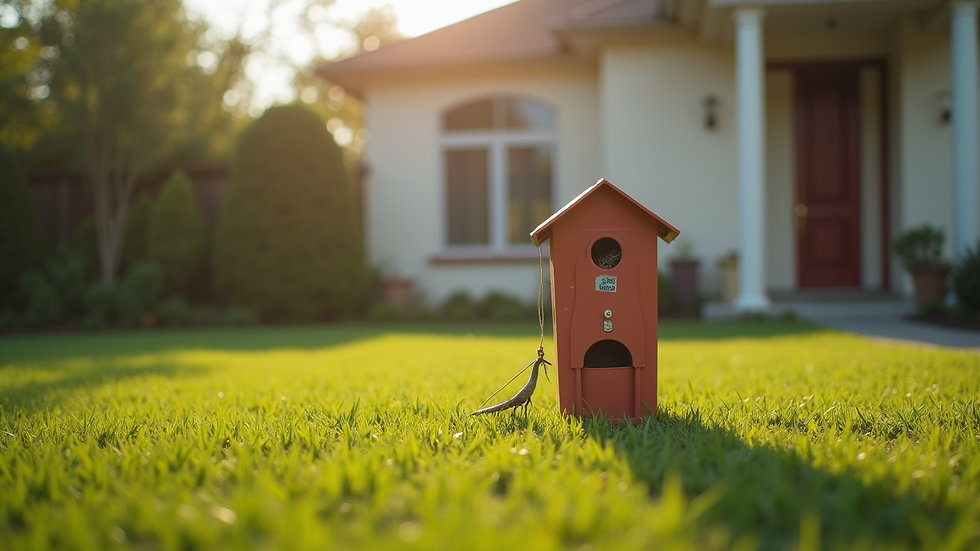
Baiting systems are a popular method for termite control. These systems consist of bait stations placed around the perimeter of your home. The bait contains a slow-acting insecticide that termites consume and carry back to their colony, ultimately eliminating the entire colony.
Advantages of Baiting Systems:
Targeted approach: Only affects termites, minimizing impact on beneficial insects.
Long-lasting: Bait stations can remain effective for years with regular monitoring.
2. Liquid Chemical Treatments
Liquid chemical treatments involve applying insecticides directly to the soil around your home. This creates a barrier that prevents termites from entering. There are two main types of liquid treatments:
Repellent Treatments: These create a barrier that repels termites. However, if termites find a way around the barrier, they can still enter.
Non-repellent Treatments: These are absorbed by termites, leading to their death. Non-repellent treatments are often more effective as they do not alert termites to the presence of the chemical.
3. Fumigation
Fumigation is a comprehensive treatment method used for severe infestations, particularly with drywood termites. This process involves sealing the home and introducing a gas that penetrates all wood surfaces, killing termites in all life stages.
Considerations for Fumigation:
Requires vacating the home for a few days.
Professional service is necessary to ensure safety and effectiveness.
4. Heat Treatment
Heat treatment involves raising the temperature of the infested area to a level that is lethal to termites. This method is effective for localized infestations and does not involve chemicals.
Benefits of Heat Treatment:
Environmentally friendly: No chemicals are used.
Quick results: Typically completed in a day.
5. Borate Treatments
Borate treatments involve applying a borate-based solution to wood surfaces. This method is effective for preventing future infestations and can also kill existing termites.
Advantages of Borate Treatments:
Long-lasting protection: Borate remains effective as long as it is not washed away.
Low toxicity: Safer for humans and pets compared to traditional insecticides.
Choosing the Right Method
Selecting the right termite control method depends on various factors, including the type of termites, the extent of the infestation, and your budget. Here are some tips for making the right choice:
Assess the Infestation: Determine the severity and type of termite infestation. For minor infestations, baiting systems or borate treatments may suffice. For severe cases, consider fumigation or heat treatment.
Consult Professionals: Engaging a pest control professional can provide valuable insights and recommendations tailored to your specific situation.
Consider Long-Term Solutions: While immediate control is essential, think about long-term prevention strategies to protect your home from future infestations.
DIY vs. Professional Help
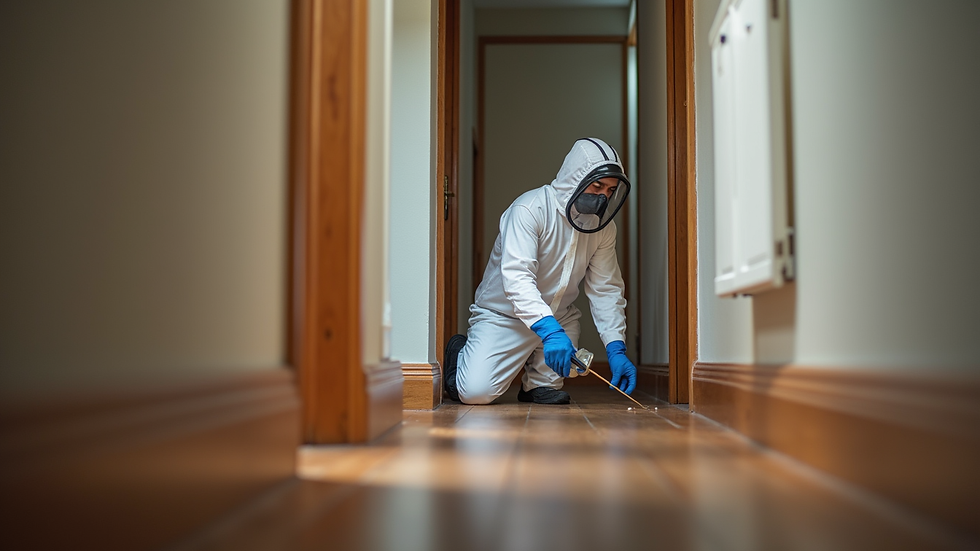
While some homeowners may consider DIY methods for termite control, professional help is often the best choice for effective and lasting results. Here are some reasons to hire a professional:
Expertise: Pest control professionals have the training and experience to identify and treat infestations effectively.
Access to Advanced Treatments: Many modern treatments require specialized equipment and chemicals that are not available to the general public.
Safety: Professionals follow safety protocols to protect your home and family during treatment.
Conclusion
Termite control is a crucial aspect of home maintenance. By understanding termite behavior and employing modern control techniques, homeowners can protect their properties from these destructive pests. Whether you choose baiting systems, liquid treatments, or professional fumigation, taking action against termites is essential for preserving the integrity of your home.
Remember, prevention is always better than cure. Regular inspections and proactive measures can save you from costly repairs in the long run. If you suspect a termite infestation, don't hesitate to reach out to a pest control professional for assistance. Protect your home today and ensure a termite-free future!
Comments